QED’s Commitment to health & safety on site
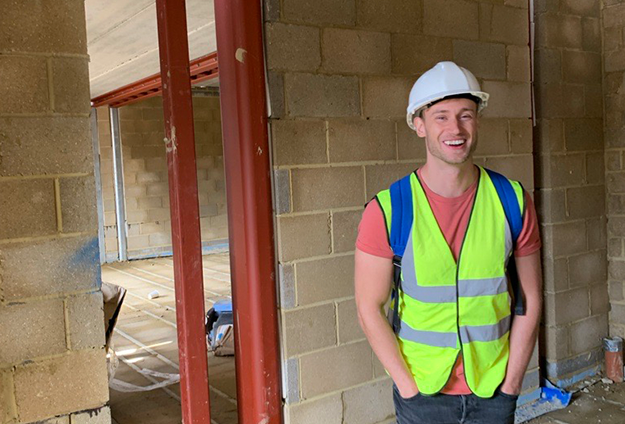
Construction sites are busy, fast-moving environments where safety must always come first. For structural and civil engineers, regular site visits can involve a range of risks, from working around heavy machinery and excavations to inspecting partially completed structures. At QED Structures, health and safety is embedded into everything we do. Whether we’re carrying out site […]
QED’s approach to demolition in construction
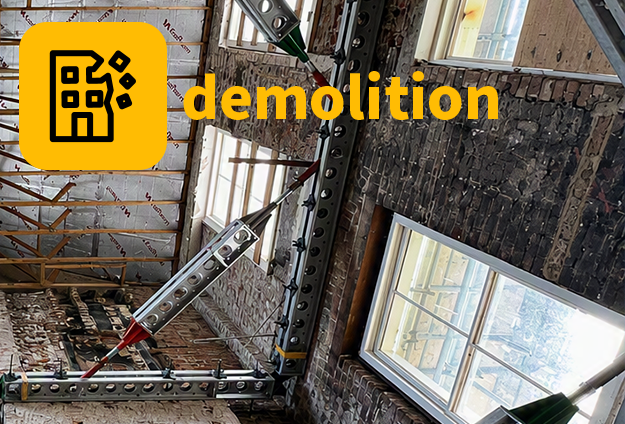
Demolition is often viewed as the final stage of a building’s life, but it requires just as much engineering consideration as its construction. Before any structure is removed, it is important to understand how a structure behaves, how loads are distributed throughout the building and how stability will be maintained as elements are removed. This […]
Our take on scaffolding during construction
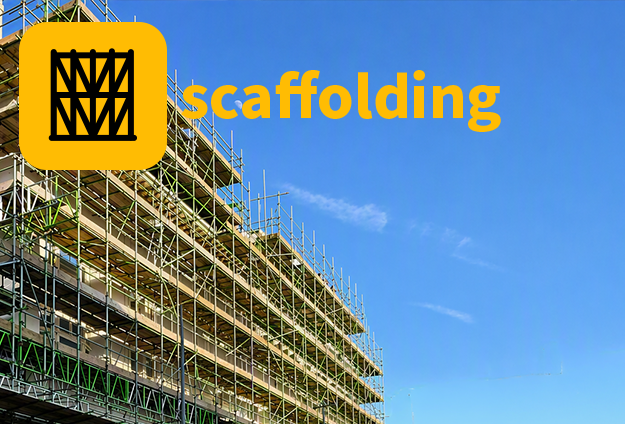
Scaffolding is something we see on construction projects every day, but its design is rarely straightforward. From complex building geometries and restricted access to heavy loading requirements and public interfaces, scaffold structures often have to overcome a wide range of challenges. Every project is different, which is why careful engineering consideration is essential to ensure […]
Temporary Works during construction at QED
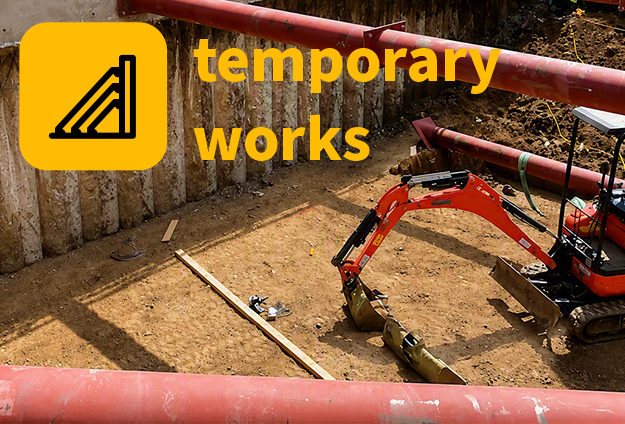
Temporary works are often some of the most important structures on a construction project. Whether it’s propping, excavation support, access arrangements or lifting operations, temporary works play a vital role in keeping projects safe and maintaining progress on site. The challenge is that these structures are often required during critical phases of construction, where programme […]
Post-Tensioned Slabs: Benefits, Challenges, and Questions
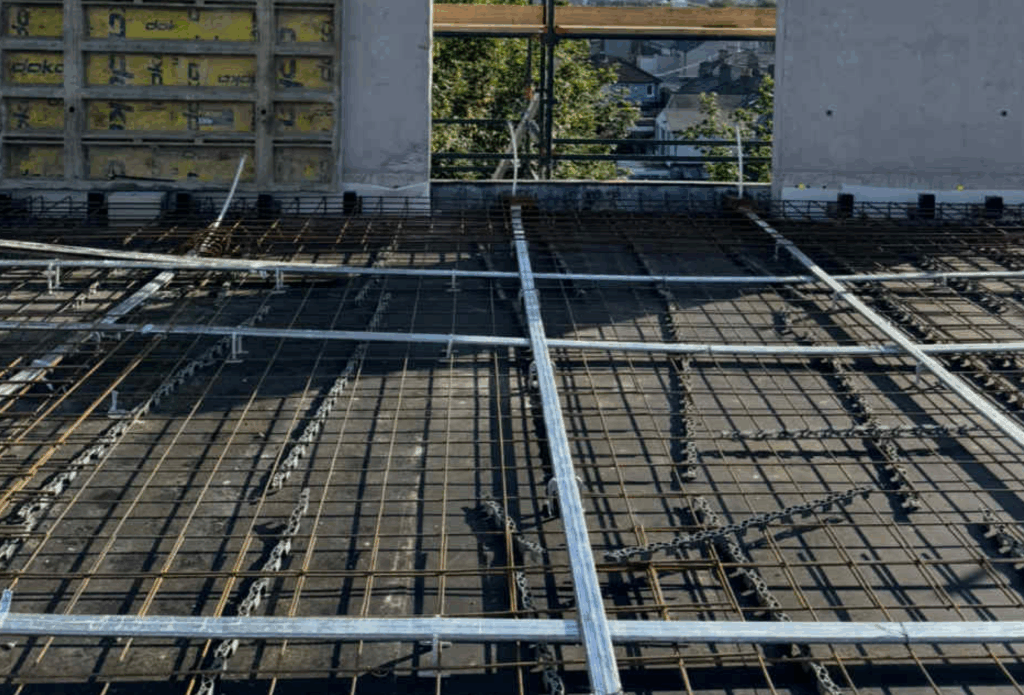
Robert Lockhart, a senior engineer in Manchester, sharing his knowledge and experience on post-tensioned slabs. Post-tensioned (PT) slabs offer significant advantages for modern construction. By enabling longer spans and thinner floor plates, they reduce structural depth and give architects greater flexibility in design. In recent projects, I’ve seen PT systems to be invaluable in resolving […]